

San Francisco ontdekken doe je met autohuur
Deze in Californië gelegen grootstad aan de westkust van het Amerikaanse continent is een schitterende plek om je volgende vakantie door te brengen! Deze stad is ook bekend voor de vele heuvels waarop de stad gebouwd is. Het zijn er maar liefst 43. Dat is waarom je in televisie programma’s die zich hier afspelen bijna altijd hoogteverschillen ziet. De stad zal je zeker niet teleurstellen!
Bezienswaardigheden
Binnen deze prachtig stad is ontzettend veel te zien en te doen. Je vindt hier oneindig veel activiteiten, waardoor het moeilijk kiezen wordt! Door de liberale sfeer die er heerst wordt deze stad door veel mensen de leukste stad van Californië genoemd en dat is al heel wat! Er heersen in deze prachtige stad geen taboes omtrent drugs en/of homoseksualiteit. Je kan hier dus volledig jezelf zijn!
- Liberale sfeer
- Leukste stad van californië
- Geen taboes
- Homoseksualiteit aanvaard
 Op vlak van cultuur en bezienswaardigheden ben je hier aan het juiste adres! Ben je op rondreis door het Westen van de Verenigde Staten dan mag je deze plek zeker niet missen! Bezoek bijvoorbeeld het welbekende eiland Alcatraz dat tussen 934 en 1963 dienst deed als zwaarbeveiligde gevangenis. Een van de beroemde gevangenen was onder andere ‘Al Capone’. Er zijn tal van verfilmingen over deze beruchte gevangenis verschenen!
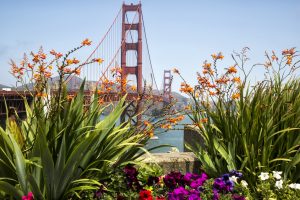
Bezoek tevens ook de wereld bekende Golden Gate Bridge. Deze prachtige brug verbindt het schiereiland San Francisco met de Marin County en is een drukbezochte attractie. De brug wordt jaarlijks door maar liefst negen miljoen mensen bezocht en vol ontzag bewonderd. De brug laat een onvergetelijke indruk na met zijn schitterende kleuren, lichten en afmetingen. Het voetpad op de brug heeft maar liefst een lengte van 1,7 mijl!
- Bezienswaardigheden
- Alcatraz
- Golden Gate Bridge
San Francisco Jazz festival
Houd je van muziek en meer specifiek van Jazz? Mis dan zeker de kans niet om het San Francisco Jazz festival te bezoeken! Jaarlijks worden er tal van grote namen binnen de jazz wereld geboekt en kan je er genieten van de meest uiteenlopende jazz vormen die er te vinden zijn! Tickets kan je onder andere via de volgende website boeken www.sfjazz.org. Mis deze kans zeker niet!
Fisherman’s Wharf
Breng tevens ook zeker een bezoekje aan Pier 39 waar je zonnebadende luie zeehonden kan spotten die zich met alle plezier door jou zullen laten observeren! Hiernaast vind je op Pier 39 ook het bekende Fisherman’s Wharf, een oude zeeliedenwijk in het hartje van San Francisco. Tegenwoordig is dit een wijk waar je tal van lekkere restaurantjes en live entertainment kan komen ontdekken!
Musea
Ook op vlak van kunst en cultuur zal San Francisco je niet teleurstellen. Er zijn tal van musea die je zeker bezocht moet hebben! Van moderne en futuristische kunst tot tentoonstellingen gevuld met interessante geschiedenis. Je vindt er ook tentoonstellinge over wetenschap, technologische vooruitgang, archeologische vondsten en nog vele andere! Voor elke passie is er dus wel wat te vinden in deze prachtige stad.
Bezoek bijvoorbeeld ook het museum voor schone kunsten of het ‘Fine Arts Museum of San Francisco’. Dit museum bestaat uit twee locaties. Het ‘Young museum’ bevindt zich in het Golden Gate Park en biedt kunst van de 17e tot de 21e eeuw aan, terwijl het andere gedeelte, het ‘Legion of Honor’, zich in het Lincoln Park bevindt en schitterende schilderwerken, fotografie en grafische kunst aanbiedt.
Wat te doen buiten de stad
Het ware avontuur van de Westkust van de Verenigde Staten bevindt zich niet enkel in de stad. Ook buiten de stad zijn er tal van zaken te zien en doen! Trek er dus zeker op uit en verken deze eindeloos lijkende streek met zijn prachtige natuur en schitterende steden! Geniet van de warme zon en ontdek deze indrukwekkende parel van de Amerikaanse westkust met een huurauto.
Je kunt bijvoorbeeld naar de berg ‘Mount Diablo‘ rijden. Met zijn hoogte van zo’n 1200 meter is dit een van de hoogste punten van de streek. Bij helder weer een van de landschapskenmerken in de omgeving. Dat zorgt er dan ook weer voor dat je van op de top van deze schitterende berg een prachtig uitzicht hebt over de hele streek! Zeker de moeite waard dus!
Huur een wagen
 Om volop te genieten van je trip naar San Francisco en de westkust van de Verenigde Staten is het een must om over een wagen te beschikken. Aangezien je hier niet met je eigen wagen kunt geraken, is het aangewezen om je roadtrip te versterken met een huurauto. Er zijn gelukkig tal van maatschappijen die je de beste prijzen aanbieden! Bekijk bijvoorbeeld het aanbod van Sixt of Rental Car.
Je zal wel over een aantal documenten moeten beschikken. Je hebt onder andere een geldig paspoort en rijbewijs nodig, maar in veel gevallen ook een geldige kredietkaart. Deze dient om als waarborg in geval van een eventuele ongevallen of schade die berokkend zou worden aan de wagen. Indien je niett over een kredietkaart beschikt, kun je contact opnemen met de verhuurmaatschappij van je keuze om iets te regelen!
Napa Valley
Van zodra je een auto hebt, breng zeker een bezoekje aan Napa Valley, de bekendste wijnstreek van Californië. Deze vallei vind je op ongeveer een anderhalf uurtje rijden van San Francisco. Hier ga je niet noodzakelijk om te fietsen of wandelen maar voornamelijk om te proeven van de heerlijke Californische wijnen! Boek hier een leuk hotelletje zodat je je volledig kan laten gaan en niet dronken achter het stuur plaatsneemt!
Yosemite National Park
Uiteraard is een trip naar de Westkust van de VS niet volledig zonder een bezoek aan het prachtige Yosemite National Park! Dit park ligt in het midden van Californië en staat bekend om zijn prachtige watervallen en granietblokken (waaronder een van de bekendste ter wereld, de ‘El capitan’). Geniet ten volle van je trip naar deze prachtige stad en bijhorende streek!
Verken Alicante met autoverhuur!
Alicante, de Spaanse zon! Wil je deze stad en streek graag bezoeken twijfel dan zeker niet langer en boek zo snel mogelijk! Dankzij Happycar.nl kan je zelfs je eigen wagen reserveren zodat je je zo vrij als een vogel binnenin deze streek kan rond bewegen. Maar een eigen wagen biedt je nog meer mogelijkheden! Zo kan je zelfs andere delen van het Spaanse vaste land zonder problemen verkennen!
Huur een auto
 Via Happycar.nl huur je al een kleine auto zoals de Kia Picanto, Seat Ibiza, of Fiat Panda voor een zeer schappelijke prijs. Dit alles met bijgevoegde diefstal-, all-risk- en aansprakelijkheidsverzekering voor een onbegrensd aantal kilometers. Bovendien word je zelfs een shuttlebus van- en naar de internationale luchthaven aangeboden. Je kan uiteraard voor een kleine prijs ook een auto op de luchthaven zelf huren.
- Onbeperkt aantal kilometers
- Vanaf € 0,01
- Bijhorende verzekering
- Shuttlebus naar luchthaven
Je zal wel over een aantal belangrijke documenten moeten beschikken, zoals een rijbewijs, een geldig paspoort en een creditcard. De creditcard dient als borg voor het eventuele verkeersovertredingen of schade die je als bestuurder aan de gehuurde auto veroorzaakt. Controleer voor je vertrek zeker of je al deze documenten bij je hebt en vraag zeker ook aan de verhuurmaatschappij welke creditcards ze precies accepteren.
Heb je om welke reden dan ook geen creditcard dan kun je via Sunny Cars nog steeds een auto huren in Malaga. Denk er wel aan dat niet ieder type auto hiervoor in aanmerking komt. Je hoeft ook geen waarborgsom te betalen want daarvoor staat Sunny Cars garant. Wel zullen ze verhaal bij je komen halen als je schade veroorzaakt door grove nalatigheid van jouw kant.
- Benodigde documenten
- Paspoort
- Rijbewijs
- Creditcard
Wat te doen in Alicante
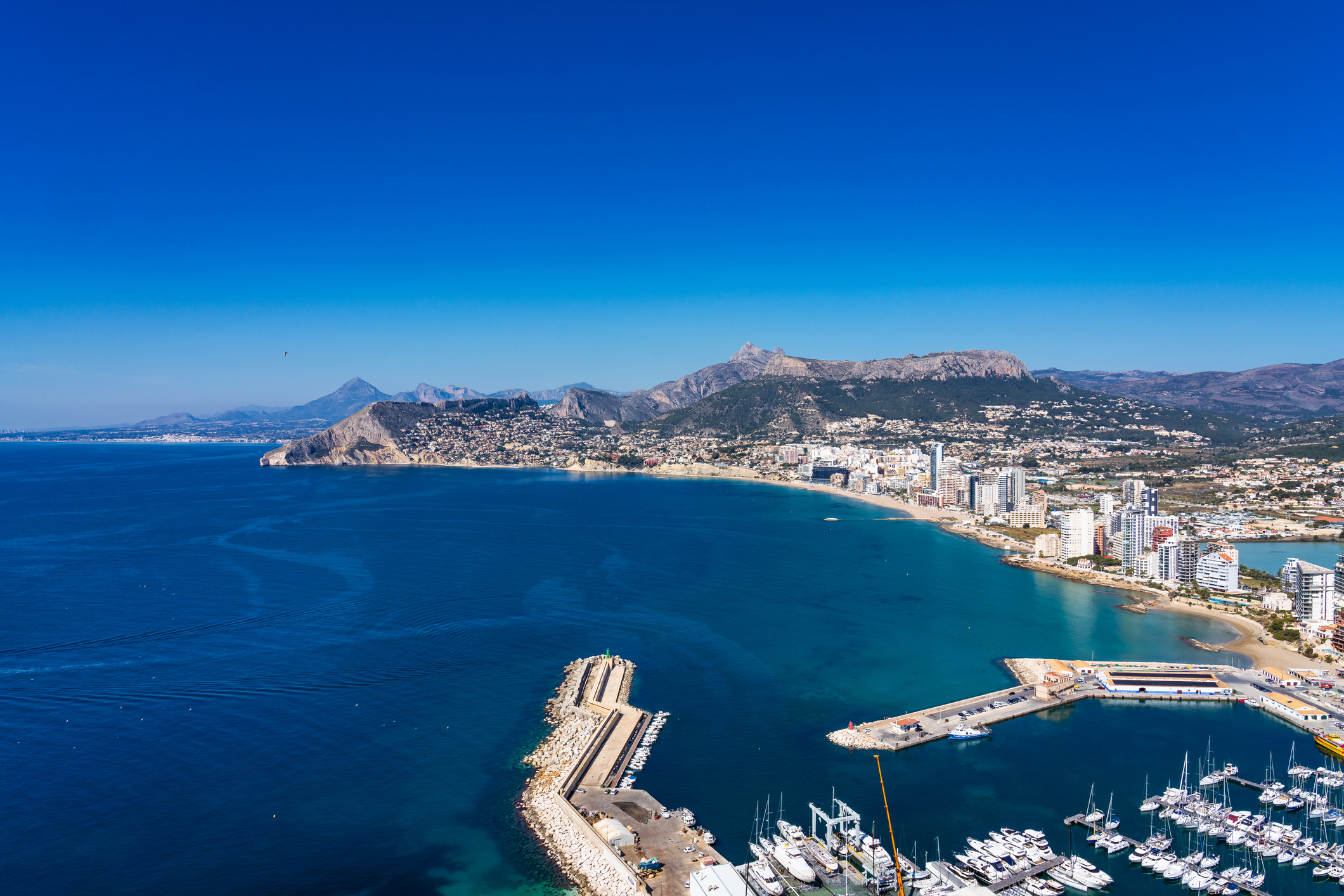
Alicante is een bruisende stad in het zuid oosten van Spanje. De stad ligt aan de wel bekende Costa Blanca en is tevens de hoofdstad van de gelijknamige provincie. De historische stadskern, Barrio de la Santa Cruz, bestaat uit kleine gezellige straatjes, gekleurde huizen en een bruisend nachtleven. Van hieruit kan je via een stevige klim of via de lift het prachtige kasteel Castillo de Santa Bárbara bereiken.
Castillo de Santa Bárbara
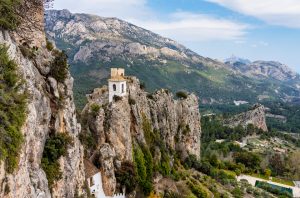
 Dit boven vernoemde kasteel dat zich boven op de berg Benacantil bevindt, biedt je een ongelooflijk uitzicht over de Mediterraanse kust. Het kasteel ligt op een hoogte van ongeveer 166 meter en was dus de ideale uitkijkpost om ongewenste bezoekers tijdig te spotten. Er zijn vondsten gedaan waardoor het erop lijkt dat het kasteel gebouwd zou zijn rond de negende eeuw maar grote delen zijn echter afkomstig uit de zestiende eeuw.
Pleinen en kerken
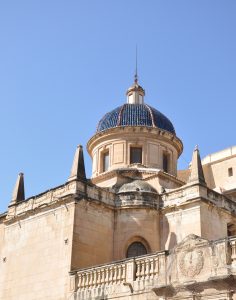
Aan historische gebouwen geen gebrek in deze prachtige stad. Zo staat het stadje vol met oude kerken en prachtige pleinen. Bezoek op je trip naar Alicante zeker de ‘Basilica de Santa Maria‘. Deze basiliek is gebouwd op oude resten van een moskee die er tijdens de Islamitische heerschappij geplaatst geweest is. Dit gebouw dateert uit de periode tussen de veertiende en de vijftiende eeuw.
Bezoek daarnaast ook zeker het belangrijkste plein van Alicante, het ‘Plaza del Ayuntamiento’. Aan het plein bevindt zich het prachtige, in barokstijl opgetrokken stadhuis dat het plein nog een extra staaltje mooier maakt. De prachtige gebouwen rondom het plein zijn goed bewaard gebleven en bieden je een kijkje terug in de tijd. Ga zeker ook eens binnen in het stadhuis en aanschouw de tal van archeologische vondsten die hier tentoongesteld staan.
Costa Blanca
De Costa Blanca! Wie is er geen liefhebber van lekker luieren op een prachtig goudgeel strand in het lekker zonnetje of een frisse duik in het mediterraanse zeewater? Als dit je aanspreekt ben je hier aan het juiste adres! Bezoek een van de vele stranden die verspreid zijn over de Costa Blanca en laat je volledig tot rust komen! Vergeet alvast je zonnecrème niet!
Bezoek zo het 900 meter lange Playa del Postiguet dat overigens aan de voet van de ‘Monte Benacantil’ ligt. Voor zij die iets anders willen doen dan alleen relaxen op het strand is dit overigens de ideale plek voor een potje beachvolleybal! Je kan hier overigens ook strandstoelen en ligstoelen huren zodat je lekker languit kan luieren terwijl de kinderen een frisse duik nemen onder het toeziend oog van de strandwacht.
De Alicante-provincie
Verder stopt de pracht van de streek zeker niet bij de grenzen van de hoofdstad. Indien je kan is het zeker de moeite waard de rest van deze schitterende streek te bezoeken. Met zijn vele kleine stadjes, stranden en natuurlijk schoon mag je dit zeker niet gemist hebben! Indien je over een eigen auto beschikt zal je de werkelijke pracht van deze streek kunnen waarnemen!
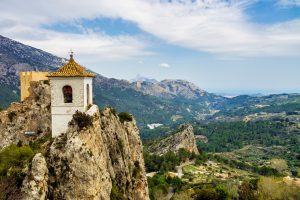 In een prachtig natuurpark bij het dorpje Callosa d’en Sarria, op ongeveer 15 minuten van de stad Benidorm vind je de prachtige Fuentes del Algar watervallen. Deze watervallen zijn afkomstig van de Algar-rivier (vrij vertaald uit het oude Grieks betekent dit iets als ‘gezondheidsrivier’) en zijn zeker een bezoekje waard! Bezoek daarnaast ook de stadjes Dénia, Alcoy, Villajoyosa en Guadalest. Je zal er geen spijt van krijgen!
Culinair
Uiteraard is een bezoek aan Spanje niet volledig zonder te genieten van de heerlijke Spaanse keuken! Bezoek een van de vele pittoreske restaurantjes of cafeetjes die zich in de stad Alicante of in de gezellige dorpjes rondom bevinden. Je zal er overweldigd worden door het smaken- en geurenpalet van de Spaanse keuken! Geniet na je maaltijd nog even na met een glaasje Spaanse wijn en je dag is compleet!
Hoe in Alicante geraken
In Alicante geraken is heel simpel! Er bevindt zich namelijk een, overigens prachtige, internationale luchthaven net buiten de stad. Vanaf hier kan je via het openbaar vervoer de stad bereiken maar nog beter en makkelijker is een eigen auto huren. Boek er nu een via happycar.nl of gebruik een van de vele verhuurmaatschappijen bij het vliegveld. Hoe dan ook heel veel plezier gewenst!

Vergelijk verschillende autohuur bedrijven om de beste prijs te verkrijgen
Er lijkt veel onenigheid te bestaan over de goedkoopste plek om een auto te boeken. Net als met vluchten, is er geen magische spreuk. Rentalcars.com en Sixt.global zijn waarschijnlijk enkele van de beste plaatsen om mee te beginnen, maar dat betekent niet dat sites als Goautos auto huren of zelfs Costco niet naar waarde moeten geschat worden. Net als met vliegtickets kunnen bij het huren van auto’s veel factoren de prijs bepalen.
Tarieven kunnen variëren afhankelijk van afhaling op de luchthaven, het tijdstip (tijdens de week of het weekend) en het geselecteerde type auto. De enige manier om de beste prijs voor je huurauto te krijgen, is door verschillende sites te vergelijken. Houd ook rekening met het type wagen dat je kiest. Overweeg goed welk soort wagen je nodig hebt. Waarom een grote wagen nemen als een kleinere wagen volstaat voor je fenomenale roadtrip? Hieronder enkele tips.
Betaal met de juiste creditcard
 Verzekeringen zijn iets waar je meestal niet extra voor hoeft te betalen. Het is tegenwoordig algemeen bekend, maar mocht je het nog niet weten: de meeste creditcards die gebruikt worden om te reizen, bieden autoverzekeringen aan als je geen autoverzekering hebt. Onthoud dat de verhuurbedrijven hun winst halen uit de extra verzekeringen die ze je aanbieden. Het is dus niet zo dat je geen auto kan huren omdat je de verzekeringen van het verhuurbedrijf weigert.
Het belangrijkste om in gedachten te houden bij het huren van een auto met een creditcard, is dat de meeste creditcards de huurder verplichten om alle mogelijke vormen van verzekering af te wijzen – inclusief wat aan de balie wordt aangeboden. De meeste Visa-cards bieden dekking voor diefstal, schade aan de huurauto, sleepkosten enz. als je geen autoverzekering hebt. Sommige bieden automatisch een primaire dekking, wat betekent dat je gedekt bent, zelfs als je je eigen autoverzekering hebt.
Zoek op het internet naar kortingscodes
 Er zijn drie zeer specifieke zoekopdrachten die de beste kortingscode voor huurauto’s opleveren. De top drie zijn “xx kortingscodes”, “XX kortingscodes boardingarea.com” en “XX kortingscodes flyertalk.com.” De eerste is een generiek zoek-principe; de tweede doorzoekt het hoofdcollectief van frequent flyer-blogs en de derde bekijkt wat waarschijnlijk het grootste communityforum van frequent flyers is. Heb je ooit 700.000 geeks op één plek gestoken? Dat is wat Flyertalk.com is. Ook via luchtmaatschappijen loont het de moeite, bijvoorbeeld Qantas.com.
Heb je een voorraad frequent flyer-miles? De meeste beloningsprogramma’s van luchtvaartmaatschappijen bieden de mogelijkheid om airmiles (punten) in te ruilen voor autoverhuur. Maar het inwisselen van je airmiles voor huurauto’s is bijna altijd een vreselijke deal. Je krijgt veel meer waar voor je geld als je je airmiles inruilt voor gratis autoverhuur via frequente verhuurprogramma’s. Zijn airmiles nieuw voor je, dan lees je hier de informatie die je nodig hebt om te starten.
Sla het vooruit betalen (voorlopig) over
Het is niet verwonderlijk dat prepaid autoverhuur veel goedkoper is dan een normale autoreservering. Maar ze vereisen ook dat je vooruit betaalt en zijn volledig inflexibel in het geval dat je plannen veranderen. De meeste autoverhuurreserveringen zijn standaard volledig terugbetaalbaar, dus een goede tactiek om wat geld te besparen is gewoon te blijven zoeken naar een betere deal en daarna je reservering om te boeken tegen een lager tarief als je eerste reservering hoger is dan de tweede.
| Aujourd'hui | |||||||
| 0 | 3 | 6 | 9 | 12 | 15 | 18 | 21 |
 | | | |||||
| 2 | 2 | 3 | |||||
| Demain | |||||||
| 0 | 3 | 6 | 9 | 12 | 15 | 18 | 21 |
| | | | | | | |
| 3 | 3 | 2 | 2 | 2 | 2 | 2 | 2 |
| April 20, 2024 | |||||||
| 0 | 3 | 6 | 9 | 12 | 15 | 18 | 21 |
| | | | | | | |
| 2 | 2 | 2 | 2 | 2 | 3 | 2 | 2 |
| UTC - Source : swpc.noaa.gov | |||||||